
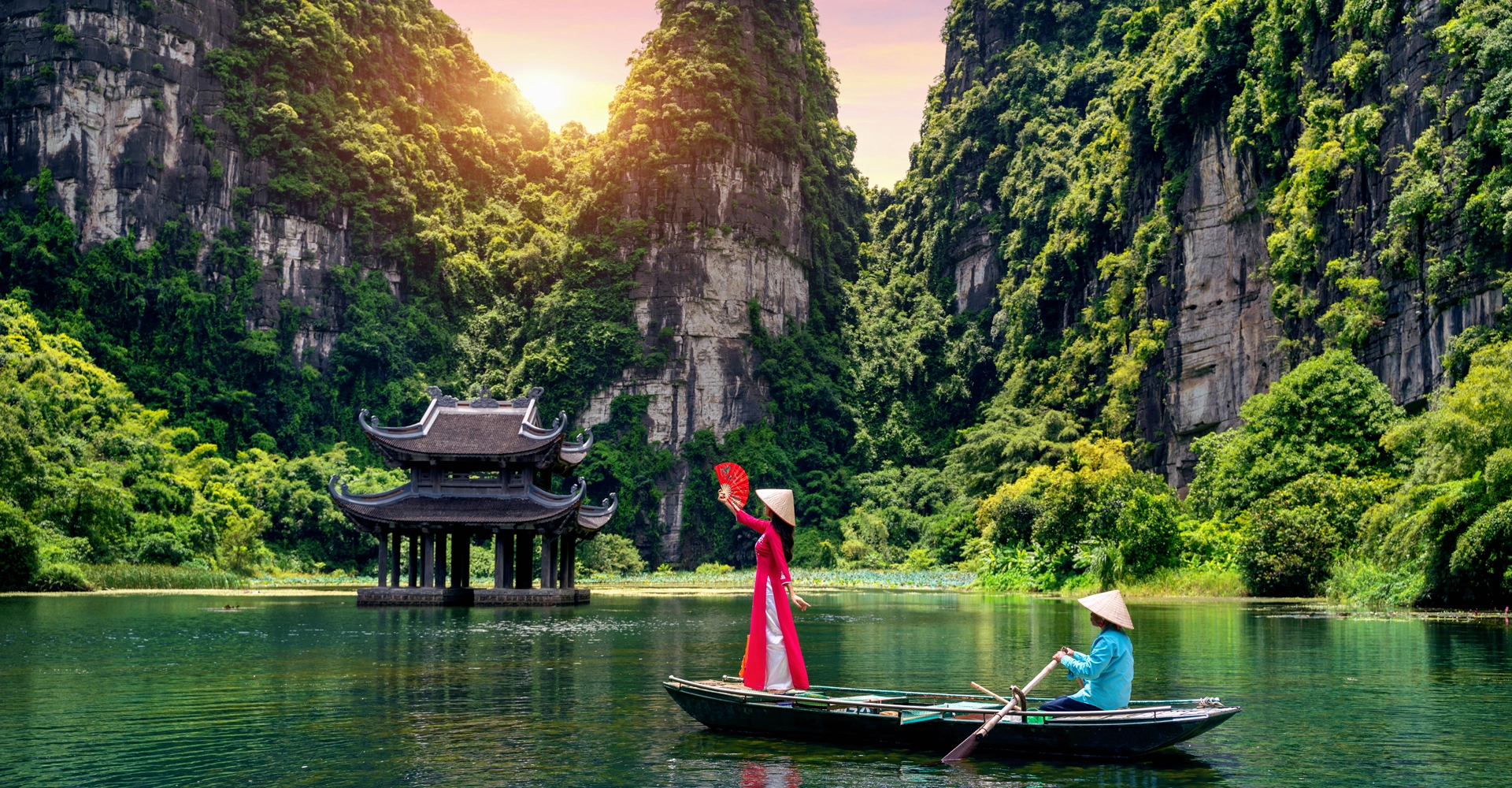
Exploring Vietnam’s diverse landscapes and cultural heritage
From the misty peaks of the northern mountains to the lush waterways of the Mekong Delta, Vietnam brings together striking landscapes and contrasting ways of life. Ancient traditions remain part of everyday life alongside the energy of modern cities and rural villages. Travelers discover how the country’s history continues to influence local customs and daily routines.
Timeless heritage
Exploring Vietnam’s imperial dynasties and wartime heritage
Centuries of imperial rule and colonial influence have shaped Vietnam’s architectural heritage. Historic citadels preserve the legacy of royal dynasties, while colonial quarters reflect European architectural styles adapted to the tropical climate. Together, these landmarks reveal how successive historical periods have shaped the country’s cultural identity.

01
Discovering the Imperial City of Hue
Fortified walls surround the royal palaces and shrines of Hue’s historic imperial complex. They preserve architectural traditions associated with the Nguyen dynasty and Vietnam’s former imperial capital.

02
Understanding history at the War Remnants Museum
Photographs, military equipment, and historical documents illustrate the Vietnam War. These exhibits examine the human consequences of conflict and its lasting impact on Vietnamese society.

03
Exploring Hanoi’s historic Old Quarter
Hanoi’s narrow merchant streets retain traces of traditional trade guilds and long-established craft traditions, with workshops, shops, and markets continuing to shape neighborhood life.

Nature calls
Discovering Vietnam’s limestone landscapes and terraced valleys
Vietnam’s geography changes considerably from north to south, creating distinct ecosystems across mountains, forests, and river valleys. Trekking enthusiasts explore mountain trails near Fansipan, while cave explorers venture into the extensive limestone cave systems of Phong Nha. These landscapes influence local farming practices, settlement patterns, and rural traditions.

Exploring Ha Long Bay’s limestone islands by boat
Thousands of limestone pillars and forested islands rise from the sea, creating a maze of sheltered inlets and waterways that visitors can explore aboard traditional junk boats.

Hiking through Sapa’s mountain villages and rice terraces
Communities in ethnic minority villages maintain green rice terraces across steep mountain slopes, where traditional farming practices shape the surrounding landscape.

Exploring the Mekong Delta’s rivers and floating markets
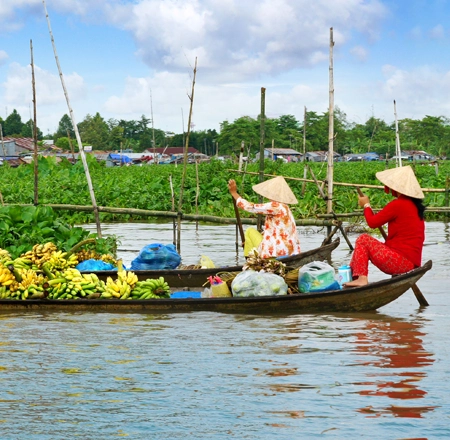
Floating markets and fruit orchards form part of everyday life along the network of river tributaries and canals connecting communities throughout southern Vietnam.
Discovering Vietnam’s traditional festivals and celebrations
The lunar calendar sets the dates of many important Vietnamese cultural gatherings, including Tet celebrations and traditional community festivals. Families reunite to honor ancestors, while streets come alive with flower displays and dragon dances. These events highlight the importance of family ties, ancestral remembrance, and cultural continuity.
Vietnamese culinary traditions
Exploring the flavors and ingredients of Vietnamese cuisine
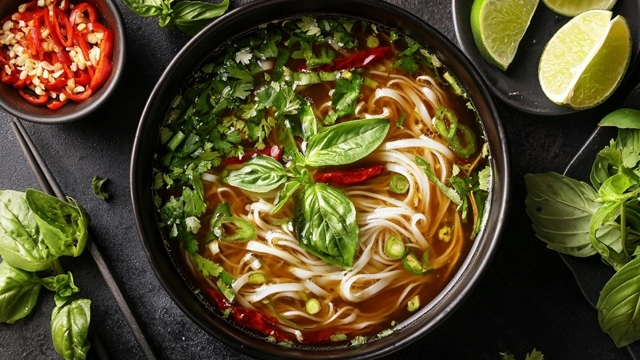

Crispy fried spring rolls
Fresh rice paper rolls

Traditional fermented fish sauce dipping blends
Spicy bird’s eye chili
Fresh basil leaves

Exploring northern Vietnam’s mountain trails
Mist drifts across terraced rice fields as hikers follow mountain trails between remote ethnic villages and traditional craft markets, discovering local farming and artisanal traditions along the way.
Beach holidays along Vietnam’s central coast
Golden beaches line stretches of Vietnam’s central coastline, offering opportunities for kayaking, paddleboarding, and relaxing beside the sea beneath coastal palm trees.
Outdoor adventures and cultural experiences
Experiencing outdoor adventures and local traditions in Vietnam
Exploring Vietnam combines outdoor adventures with hands-on cultural engagement. Trekking, canyoning, and rock climbing offer active ways to discover mountainous landscapes, while cooking classes, lantern-making, and traditional dance workshops introduce visitors to regional skills and customs. Cycling and walking tours through historic streets connect markets, temples, and residential neighborhoods, allowing travelers to experience everyday life at a slower pace.
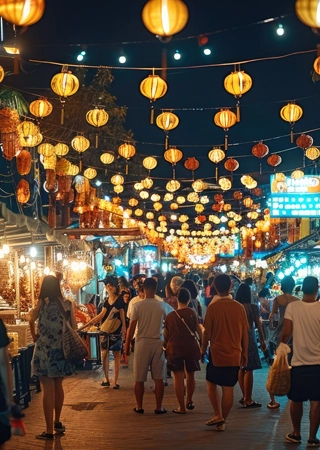
Night markets combine street food, shopping, and lively evening entertainment
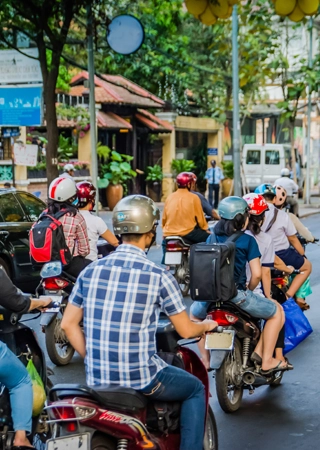
Scooter tours offer guided routes through rural villages
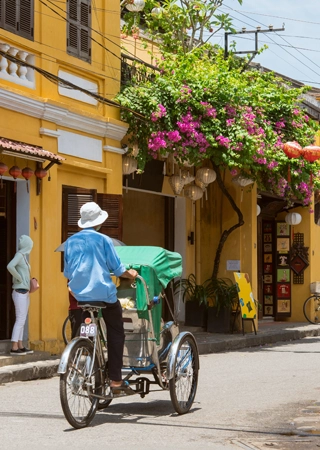
Cyclo rides provide a slower-paced view of historic city districts
Ferries connect Vietnam’s mainland with offshore tropical islands
Fishing boats and local traders navigate canals during the early morning
Private cars offer flexible transport options for families and group travel
Motorbikes remain a familiar sight along Vietnam’s busy urban streets
Understanding local transport in Vietnam
Getting around Vietnam’s cities and rural regions
Traveling through Vietnam reveals how transport connects urban neighborhoods, rural communities, and river settlements. Small boats, motorbikes, and buses serve different routes and local travel needs. Streets fill with vendors and commuters, markets bring residents together, and rivers carry passengers and agricultural goods. Using and observing these transport networks gives travelers a closer understanding of regional lifestyles and everyday routines.